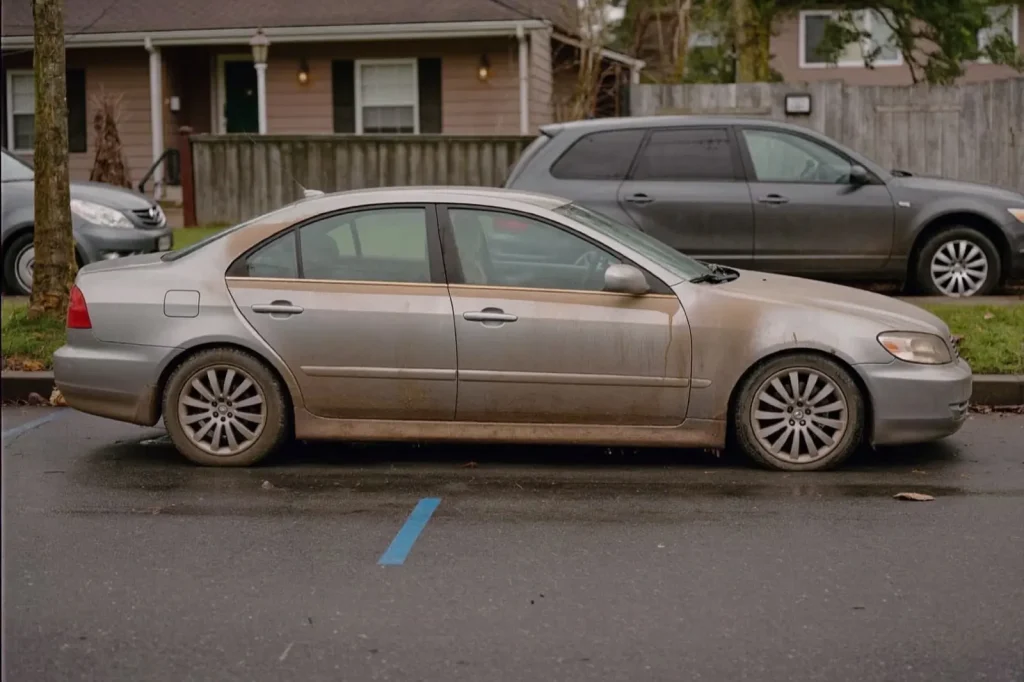
The short answer
Does car insurance cover flood damage? Only through other than collision coverage, which insurers usually sell as comprehensive. Both of the 2 filed personal auto forms read for this page list hail, water or flood as an other than collision loss, paid at the lesser of actual cash value or repair cost, minus the deductible. Liability only and collision only policies do not list it.
Key takeaways
- The trigger is the declarations page: both forms pay flood only if it shows Other Than Collision Coverage for that car.
- A totaled car is paid at actual cash value after depreciation and condition, so a loan can outrun the check.
- Per the statutes, the total loss or salvage line sits at 70% of value in Iowa, 75% in Louisiana and 80% in Minnesota.
- Once totaled, a flooded car can carry a flood vehicle brand in Florida or a certificate of destruction in Louisiana.
Where does the word flood appear in a personal auto policy?
In one place: Part D, Coverage for Damage to Your Auto. The Ohio Mutual personal auto form A-10 (12-10), which carries Insurance Services Office copyrighted material, and the Discovery Insurance form NC 00 01 06 05, revised October 1, 2018, both define collision as the upset of the car or its impact with another vehicle or object, then list 10 causes considered other than collision. Item 6 is hail, water or flood.
Both forms add the same condition in the Part D insuring agreement: the insurer pays other than collision losses only if the declarations indicate that Other Than Collision Coverage is provided for that auto. The marketing name is comprehensive; the contract name is Other Than Collision. Check the declarations line, not the brochure.
| Policy part | Ohio Mutual A-10 (12-10) | Discovery NC 00 01 06 05 | What it means for a flooded car |
|---|---|---|---|
| Part D, other than collision | Lists “Hail, water, or flood” (item 6) | Lists “Hail, water or flood” (item 6) | Covered, if the declarations show it |
| Part D, collision | “Upset” or “impact with another vehicle or object” | Same definition | Flood is not in the collision definition |
| Part A, liability | Pays for damage an insured is legally responsible for | Excludes property owned in whole or in part by that insured | Nothing for your own car |
| Deductible | Payment is “minus any applicable deductible” | Payment “reduced by any deductible” | Applies to a flood claim |
| Limit of liability | Lesser of ACV or repair with like kind and quality | Same, with a depreciation and condition adjustment | Sets the ceiling |
| Mold | Exclusion 16: no pay for loss due to fungi or its remediation | No fungi exclusion in the form text | Ask which form you hold |
| Lost resale value | Exclusion 15: no pay for diminution in value | Loss excludes reduction in value after repair | Not paid in either form |
Neither form uses the phrase full coverage. That phrase is sales shorthand for a policy that carries both collision and other than collision, and only the second one lists flood in these 2 forms.
What does a liability only policy pay when your own car floods?
Nothing toward the car. Part A of the Discovery Insurance form NC 00 01 06 05 pays damages for bodily injury or property damage for which an insured becomes legally responsible because of an auto accident, and excludes property damage to property owned in whole or in part by that insured. A flood is not an accident you are liable to yourself for, and the car is your own property.
Collision coverage does not fill the hole either. Its definition in both forms, upset of the car or impact with another vehicle or object, does not name water. On a financed car, the loss payee clause in the Discovery Insurance form NC 00 01 06 05 protects the lender’s interest for 10 days after a cancellation notice, per the form, but that protects the lender, not you.
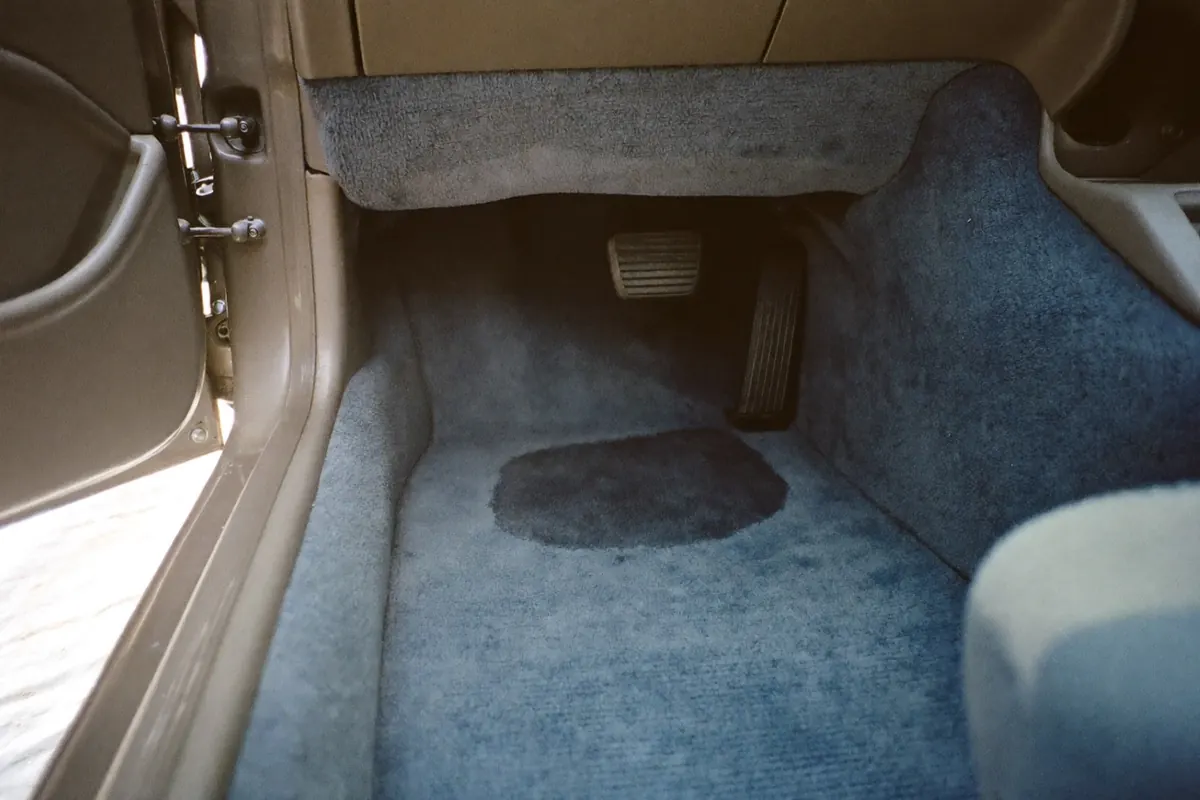
How is a flooded car valued: actual cash value, deductible and appraisal
Per the Ohio Mutual personal auto form A-10 (12-10), the limit is the lesser of actual cash value or the amount necessary to repair or replace the property with property of like kind and quality, with an adjustment for depreciation and physical condition in determining actual cash value. If a repair leaves the car better than before, the form does not pay the betterment.
The Florida Department of Financial Services auto overview puts it the same way for Florida: on a total loss the amount paid is typically limited to actual cash value unless a specific value was agreed in advance. Louisiana’s Louisiana Department of Insurance auto claim guide says the insurer will pay actual cash value or the value set by valuation authorities such as Kelley Blue Book, then ask for the title because it owns the car at that point.
If you disagree on the number, both forms contain an appraisal clause. In the Discovery Insurance form NC 00 01 06 05, each side picks a competent appraiser, the 2 appraisers pick an umpire, a decision agreed by any 2 is binding, and each side pays its own appraiser and splits the umpire’s cost. Ask for the comparable vehicles and condition deductions used before you invoke it.
Diminished value is the other line that surprises owners. Exclusion 15 of the Ohio Mutual form excludes diminution in value outright, and the Discovery form says direct and accidental loss does not include any reduction in value after repair. A repaired flood car that later sells for less is not paid for that drop under either form.
At what repair cost does your state call a flooded car a total loss?
Each state writes its own line, and some write a percentage while others write a formula. The Florida Department of Financial Services auto overview says Florida law stipulates no specific ratio of repair cost to actual cash value for an insured car; an insured car is a total loss when the insurer pays to replace it.
| State | Statute | Total loss or salvage trigger | Title result |
|---|---|---|---|
| Iowa | Iowa Code 321.52 | Repair cost over 70% of fair market value before damage, per the statute | Salvage certificate of title |
| Louisiana | Louisiana R.S. 32:702 | Damage of 75% or more of NADA market value, per the statute | Salvage title; water damaged cars from a declared disaster get a certificate of destruction |
| Minnesota | Minnesota Statutes 168A.01 | Insurer total loss, or repairs over 80% of pre damage value, per the statute | Salvage or prior salvage brand |
| Florida | Florida Statutes 319.30 | Insurer pays to replace with like kind and quality; no ratio for insured cars, per the statute | Salvage title; flood vehicle brand under 319.14 |
| Virginia | Code of Virginia 46.2-1600 | Repair cost exceeds actual cash value minus salvage value, per the statute | Salvage title for late model cars |
| Federal NMVTIS | 28 CFR Part 25, Subpart B | Repair plus supplements, diminished value and rental exceeds pre accident value minus salvage proceeds, per the rule | Insurer reports the VIN monthly |
On a flooded car the estimate is driven by electronics. According to Toyota’s flood bulletin T-SB-0229-12, every electrical part submerged in salt water should be replaced before the car is operated, the kind of line item that can push an older car past the 70% or 75% lines in the table. The inspection side of that is on our page about car flood damage diagnosis.
What happens to the title after the insurer totals a flooded car?
In Florida, a flood vehicle is one declared a total loss under 319.30(3)(a) from water damage, per Florida Statutes 319.14. If you keep the car, Florida Statutes 319.30 requires the owner to send the title in within 72 hours after it becomes salvage, and the state issues the salvage title or certificate of destruction to the owner.
In Louisiana, Louisiana R.S. 32:702 defines a water damaged vehicle as one whose power train, computer or electrical system was damaged by flooding and that is a total loss. After a governor declared disaster it gets a certificate of destruction, reassignable at most 2 times before dismantling. The Louisiana Department of Insurance auto claim guide says an owner who buys the car back must apply for a salvage title from the Office of Motor Vehicles.
The brand then follows the VIN. Under section 25.55 of 28 CFR Part 25, Subpart B, insurers report each month the cars of the current model year or the 4 prior model years they have decided are salvage or junk, including any they designate a total loss under their own policy terms. That record is what a later buyer sees in a history report.
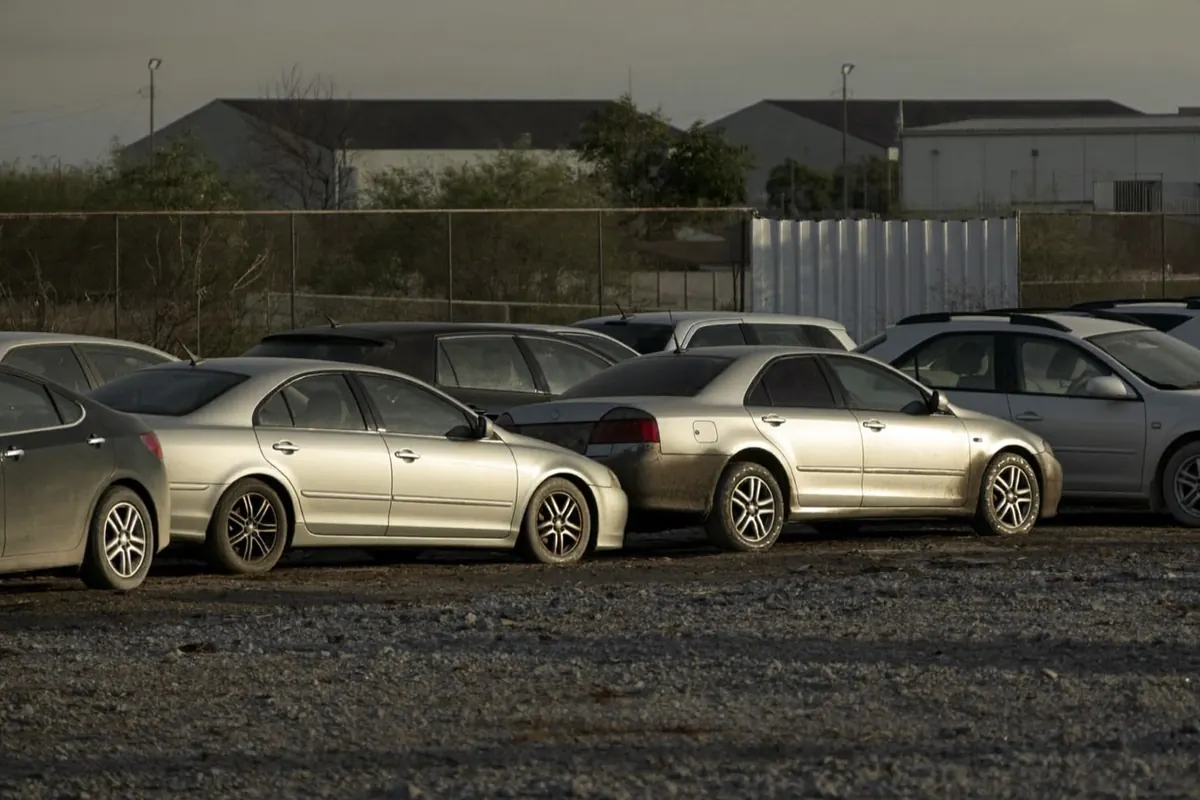
Who pays the rest of the loan when the settlement is short?
You do, unless you bought a product that covers the difference. New York defines the gap amount in Insurance Law 107(a)(52), as cited in New York DFS opinion 08-03-07 dated March 11, 2008: what the borrower owes at a total loss minus the actual cash value, where a physical damage policy supplies that value.
Some auto forms sell this as an endorsement. The Ohio Mutual personal auto form A-10 (12-10) offers Difference In Value Coverage for Loan/Lease Autos, which pays the greater of the amount due on the loan or lease or the actual cash value, but excludes overdue payments, lease penalties for excess wear or mileage, security deposits, extended warranties, credit insurance and carry over balances. It applies only to the original loan or lease on a car not previously titled, per the form.
Will rental, towing and belongings left in the car be paid?
Rental is narrow. Per the form, the Ohio Mutual personal auto form A-10 (12-10) pays transportation expenses without a deductible up to $20 per day and $600 in total for an other than collision loss, starting once the car is withdrawn from use for more than 24 hours. Per the form, the base Discovery Insurance form NC 00 01 06 05 pays $15 per day up to $450 only after a total theft; its Extended Transportation Expenses endorsement NC 03 02 extends that to other covered losses, with $30 and $900 or $50 and $1,500 options.
The Louisiana Department of Insurance auto claim guide adds that rental under your own policy is covered only if you paid for rental reimbursement, and that after a total loss many companies pay for a brief rental as a courtesy but are not required to. Towing is a separate Towing and Labor endorsement in both forms.
Belongings are mostly outside Part D. Per the form, the Ohio Mutual personal auto form A-10 (12-10) pays up to $250 for personal effects lost by fire, lightning or total theft, and the Discovery form pays $100 for fire or lightning only. Neither lists flood for personal effects.
Mold is the last trap. The Ohio Mutual form’s exclusion 16 refuses loss due to fungi and any testing or remediation of fungi. If a flooded interior sits before the adjuster sees it, ask how the form treats growth, and read our page on mold in a car. Both forms also make you take reasonable steps to protect the car from further loss and say the insurer will pay reasonable expenses to do it.
Does flood insurance on your house pay for the car instead?
No. Section IV of the Standard Flood Insurance Policy Dwelling Form, published at 44 CFR Part 61, Appendix A(1), lists self propelled vehicles or machines, including their parts and equipment, as property not insured. The only exception is a vehicle not licensed for public roads that services the insured location or assists a person with a disability while inside the building.
So a car in a flooded garage is an auto policy claim, while the garage and its contents go on the flood policy. Building and contents flood payouts, which never include cars, are mapped on our flood claims by state page.
What to ask your adjuster before you accept a flood settlement
These questions map to the clauses above. Ask them in writing and keep the answers with your claim file; the adjuster side of the process is on our page about dealing with an insurance adjuster after water damage.
| Question | Where it sits | Why it matters |
|---|---|---|
| Does my declarations page show Other Than Collision for this car, and at what deductible? | Part D insuring agreement | No declarations line, no flood coverage in either form |
| Which comparable vehicles and condition deductions set my ACV? | Limit of liability | Both forms adjust for depreciation and physical condition |
| Will you repair or total the car, and what does my state’s statute require for the title? | Payment of loss; state title law | Per the statutes above, thresholds run from 70% to 80% |
| What daily and total limit applies to my rental, and when does it start? | Transportation expenses or endorsement | Per the forms, limits run from $15 to $50 a day |
| Does my form exclude mold cleanup or diminished value? | Part D exclusions | Ohio Mutual excludes both |
| How do I invoke appraisal if we disagree on value? | Appraisal clause | Each side pays its own appraiser and splits the umpire |
| Can I keep the car, and what will the buyback cost? | Salvage; state law | Louisiana owners then need a salvage title |
If an answer does not match your form, the state insurance department is the regulator to call. Florida’s is listed on the Florida Department of Financial Services auto overview; Louisiana’s Louisiana Department of Insurance auto claim guide cites the statutes behind each claim rule. A licensed agent or public adjuster can read your declarations line by line, so bring the full policy, not the ID card.
Questions people actually ask
Does full coverage car insurance cover flood damage?
Only if full coverage includes other than collision, also called comprehensive. Neither of the 2 forms read here uses the words full coverage; they pay flood under Part D only when the declarations show Other Than Collision Coverage for that car. Ask your agent to point to that line on the declarations page.
Is flood damage covered if I drove into the water?
Both forms list water or flood as an other than collision cause and define collision as upset or impact with another vehicle or object. Neither form has a separate rule for driving into water. Ask the adjuster in writing which part of Part D they are paying under, because the 2 coverages are separate lines on the declarations.
Are phones and bags left in a flooded car covered by auto insurance?
Not under these forms. Per the form, the Ohio Mutual A-10 pays up to $250 for personal effects lost to fire, lightning or total theft, and the Discovery form pays $100 for fire or lightning. Flood is not listed. Ask whether a homeowners or renters policy covers personal property away from home before you assume either way.
Is a leased car handled differently after a flood?
The lessor is usually the loss payee. In the Discovery form a loss payee shown in the declarations has other than collision coverage applied to its interest, and stays protected for 10 days after a cancellation notice. Any shortfall against the lease payoff is a gap question, so check whether the lease includes a gap waiver.
How fast must I report a flooded car?
Part E of the Discovery form says the insurer must be notified promptly of how, when and where the loss happened, and that you must let it inspect and appraise the damaged car before repair or disposal. Do not junk or dry out the car before that inspection, and photograph the water line first.
Sources
- Ohio Mutual personal auto form A-10 (12-10), Ohio Mutual Insurance Group, Part D, Part E and optional coverages; includes copyrighted material of Insurance Services Office, Inc. Retrieved 8 November 2026.
- Discovery Insurance form NC 00 01 06 05, Discovery Insurance Company, Kinston, North Carolina; copyright North Carolina Rate Bureau, 2014; revised 10/01/2018; endorsement NC 03 02. Retrieved 8 November 2026.
- Florida Statutes 319.30 and Florida Statutes 319.14, Florida Legislature. Retrieved 8 November 2026.
- Florida Department of Financial Services auto overview, Florida Department of Financial Services, Division of Consumer Services. Retrieved 8 November 2026.
- Louisiana R.S. 32:702, Louisiana State Legislature, definitions (5), (15) and (18). Retrieved 8 November 2026.
- Louisiana Department of Insurance auto claim guide, Louisiana Department of Insurance, Consumer’s Guide to Auto Insurance After an Accident. Retrieved 8 November 2026.
- Minnesota Statutes 168A.01, Minnesota Office of the Revisor of Statutes, subd. 17b. Retrieved 8 November 2026.
- Iowa Code 321.52, Iowa Legislature, subsection 4. Retrieved 8 November 2026.
- Code of Virginia 46.2-1600, Virginia Legislative Information System. Retrieved 8 November 2026.
- 28 CFR Part 25, Subpart B, sections 25.52 and 25.55, eCFR current to November 5, 2026. Retrieved 8 November 2026.
- Standard Flood Insurance Policy Dwelling Form, 44 CFR Part 61, Appendix A(1), Section IV, eCFR current to November 5, 2026. Retrieved 8 November 2026.
- New York DFS opinion 08-03-07, New York State Department of Financial Services, Office of General Counsel, March 11, 2008. Retrieved 8 November 2026.
- Toyota service bulletin T-SB-0229-12, Flood Damaged Vehicle Inspection and Handling, Rev1 November 22, 2017, hosted by NHTSA at static.nhtsa.gov. Retrieved 8 November 2026.
- How we read and cite sources is set out in our methodology. More coverage questions sit on the insurance hub, including how RV insurance treats water damage.
This page describes 2 filed policy forms, 6 state and federal rules and regulator material. It does not say what your policy pays. Read your own form and declarations, and take the questions above to your insurer, your state insurance department or a licensed professional.