The short answer
A FEMA inspection is a free check, by visit or by phone, in which a FEMA contractor verifies disaster damage to your primary residence and belongings, usually within two weeks of registering. The inspector records damage, occupants and insurance but does not decide eligibility. FEMA decides, and you have 60 days from the date on the decision letter to appeal.
Key takeaways
- The inspector records; FEMA decides. Eligibility is set from the inspection record, not by the person at your door.
- Repair money needs four things: damage caused by the disaster, a component that worked before, a repair needed for safety, health or function, and no insurance covering it.
- Under FEMA’s November 2026 notice, disasters declared from 1 October 2026 carry a $46,400 housing cap and a $46,400 other needs cap.
- Appeal within 60 days of the letter date; FEMA answers in writing within 90 days, and that answer is final.
On this page
When does FEMA send an inspector, and when does it verify damage without a visit?
Registering for Individual Assistance is the trigger. The FEMA Individual Assistance Program and Policy Guide, version 1.1 amended July 2025 says FEMA must verify losses before deciding eligibility and names three methods: an on site inspection, which is the standard for the first decision, a geospatial inspection from aerial and satellite imagery, and documents such as medical bills or repair receipts for losses an inspection cannot see. Inspectors typically schedule the on site visit within 2 weeks of registration, according to the guide.
FEMA’s FEMA fact sheet FS 014 of 8 February 2025 adds the remote route: an in person visit happens when FEMA finds the home safe and accessible, a virtual inspection happens by phone, and a traditional visit may be skipped for homes that are inaccessible or known to be destroyed. An in person inspection generally lasts about 30 minutes, FEMA says. The inspector will not physically enter areas that are unsafe.
The person who arrives is usually a contractor, not a FEMA employee. The IAPPG says inspectors pass a background check and carry a badge identifying them as a FEMA contractor. The FEMA release of 5 May 2026 for DR 4909 says inspectors will show official photo identification and will never ask for money, banking information or payment, and FEMA’s fact sheet says a shirt or jacket printed with FEMA is not identification. To check an inspector, call the FEMA Helpline at 800-621-3362.
Applicants who cannot be there may authorize, in writing, a third party over 18 such as a neighbour or landlord to attend, and applicants whose home cannot be reached may meet the inspector somewhere else, per the IAPPG. Interpreters and sign language interpreters can be requested through the Helpline or a Disaster Recovery Center.
What does the FEMA inspector check, and what does each finding do to the award?
The FEMA Individual Assistance Program and Policy Guide, version 1.1 amended July 2025 lists what the inspector records: identity, contact and insurance; who lived in the home and which bedrooms were occupied; losses of clothing, medical, dental, transportation and miscellaneous items; damage to the structure, furniture and appliances, and undamaged items too; square footage, foundation, structure type, cause of damage, water levels, utilities and accessibility features. The table maps each item to the assistance it feeds.
| What the inspector records | Assistance it feeds | What limits the award |
|---|---|---|
| Name, address, contact details and insurance | Every type | Insured perils wait for the settlement or denial before FEMA considers covered categories (IAPPG; 44 CFR 206.113(a)(2)) |
| People living there and bedrooms occupied | Rental and direct housing | A FEMA housing unit is generally sized at one bedroom per two people |
| Whether the home is safe, sanitary, reachable and has utilities | Rental Assistance, lodging reimbursement | Rental Assistance needs a FEMA finding of uninhabitable, inaccessible or utility outage; it does not count toward the housing cap |
| Disaster damage to roof, walls, foundation, windows, doors, floors, HVAC, utilities | Home Repair Assistance | Paid only if the part worked before, the disaster broke it, repair is needed for safety, health or function, and insurance does not cover it |
| Square footage, foundation, structure type, cause of damage, water level | Repair pricing | Priced at average quality, size or capacity, not pre disaster finish |
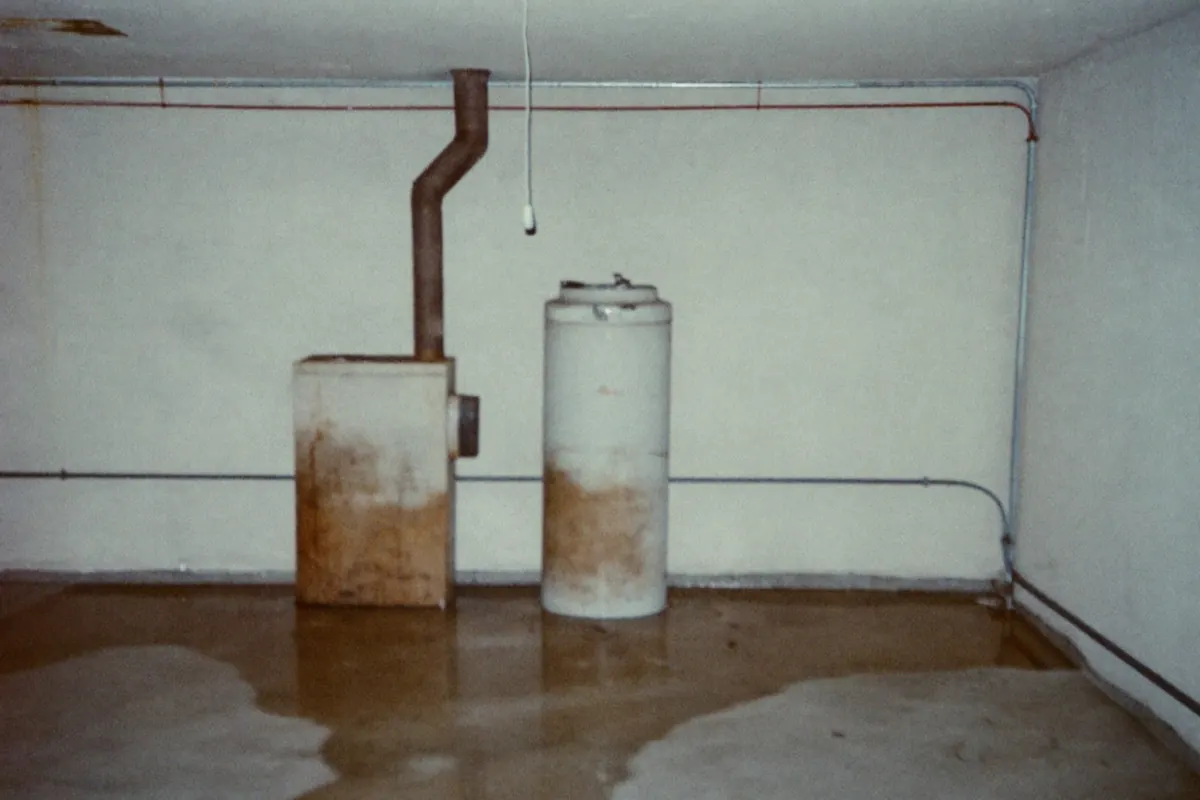
| Basement flood damage | Home Repair Assistance | Limited to structure, critical utilities such as a furnace or water heater, and rooms needed to live; wet or moldy drywall elsewhere is removal only |
| Furnishings in kitchen, living room, bathroom and bedrooms | Personal Property Assistance | Only those four room types count |
| Clothing losses and household members | Personal Property Assistance | A set amount per person for up to 7 days of clothing; soaked clothing is expected to be cleaned |
| Vehicles, recorded as repairable or destroyed | Transportation Assistance | If not seen, you send registration, insurance and settlement papers |
| Items bought because of the disaster, such as a chainsaw or dehumidifier | Other Needs, miscellaneous items | Counts toward the other needs cap |
| Accessibility features such as ramps and grab bars | Home Repair Assistance | Not subject to the financial cap |
Two phrases decide most repair awards. FEMA defines uninhabitable as not safe, sanitary or fit to occupy, with safe meaning secure from hazards and sanitary meaning free of health hazards (44 CFR 206.111). And repair help is meant to make the home safe, sanitary or functional, not to return it to its pre disaster condition, per the guide. Under 44 CFR 206.117(b)(2), eligible repairs include structural components, windows and doors, HVAC, utility systems, interior floors, walls, ceilings and cabinetry, access roads and bridges, and mobile home blocking and anchoring. The guide lists garages, pools, fences and landscaping as not eligible.

Timeline: from the declaration to the 90 day appeal decision
Most FEMA clocks run from one of three dates: the declaration, the letter, or FEMA’s receipt of your appeal. The registration window is 60 days from the declaration, and FEMA accepts late registrations for another 60 days, according to the IAPPG. The appeal clock runs from the date printed on the decision letter, not the day it arrives, under 44 CFR 206.115(a). How long the declaration itself takes is tracked in the disaster declaration lag report.
Which documents prove occupancy and ownership, and how recent must they be?
FEMA first tries to verify occupancy and ownership through an automated public records search, and asks for documents only when that fails or names conflict, according to the IAPPG. Renters prove occupancy only; owners prove both. Have one of each ready on the day, along with photos of the damage. The FEMA release of 5 May 2026 for DR 4909 says that if repairs have already started, photos and receipts help show the damage that occurred.
| Proves | Document | Date rule |
|---|---|---|
| Occupancy | Utility bill (electric, gas, oil, trash, water) in your name at that address | Dated within 3 months before the incident; bills showing no usage do not count |
| Occupancy | Bank, credit card, phone or cable statement | Within 3 months before the incident |
| Occupancy | Pay stub or employer statement with the address | Within 3 months before the incident |
| Occupancy | Signed lease or landlord statement | Dated before the incident and not expired |
| Occupancy | Rent receipt or cancelled check image | Within 3 months before the incident |
| Occupancy | Driver’s license, state ID or voter card | Issued before the incident |
| Occupancy | Statement from a public official such as a postmaster | Within the 18 month assistance period |
| Ownership | Deed or deed of trust | Effective during the incident period |
| Ownership | Mortgage statement or escrow analysis | Most recent, within 3 months |
| Ownership | Homeowners insurance document or bill | Within 3 months |
| Ownership | Tax bill, manufactured home title, contract for deed, quitclaim deed, or a will or heirship affidavit with a death certificate | Current during the incident period |
| Insurance | Settlement letter, denial letter or statement that no coverage exists | Before FEMA considers insured categories |
If you have insurance, why does FEMA wait for the settlement letter?
Because IHP money cannot duplicate insurance. Under 44 CFR 206.113(a)(2) and (5), an insured household qualifies only after filing a claim for every potentially applicable coverage and either being denied or finding the payout insufficient. Under 44 CFR 206.113(b)(6), FEMA may not help households with adequate coverage that is not delayed, or who refused insurer help. The IAPPG adds that an applicant who never files a claim for a covered peril is ineligible for Home Repair Assistance on those insured parts.
FEMA looks only at coverage for the peril named in the declaration: it does not ask for flood policy papers after a wind only disaster, and it compares wind and flood payouts separately when both hit, per the IAPPG. Items homeowners and flood policies typically exclude, such as wells, septic systems and access roads, can be paid regardless of coverage. How typical homeowners policy wording treats water is set out on the homeowners water damage page.
If the insurer is slow, a claim open 30 days or more counts as significantly delayed (44 CFR 206.111), and FEMA may consider initial Rental Assistance, provided you agree to repay FEMA from the later settlement. What your own policy pays is set by its wording; ask your insurer for the coverage decision in writing, and take disputes to your state insurance department or a licensed public adjuster or attorney, asking which policy section the decision relies on. How a private adjuster’s visit differs from FEMA’s is covered on the insurance adjuster page.
How much can the inspection lead to? $46,400 caps for disasters declared from 1 October 2026
FEMA gives notice that the IHP maximum is $46,400 for housing assistance and $46,400 for other needs assistance for any emergency or major disaster declared on or after 1 October 2026, according to the Federal Register notice for disasters declared from 1 October 2026. The increase tracks a 3.4 percent rise in the Consumer Price Index for the 12 months to August 2026. FEMA set the earlier $44,800 caps for disasters declared from 1 October 2025 (Federal Register notice for disasters declared from 1 October 2025).
By FEMA’s own notices, the cap rose $5,400, or 13.2 percent, between the 2022 and 2026 notices, and is 1.86 times the $25,000 base written into 44 CFR 206.110(b). The cap is a ceiling, not an expected payment: the IAPPG says eligible households may not receive the maximum, and Rental Assistance and lodging reimbursement are not counted toward it. Serious Needs Assistance, a flat early payment, is $820 for the same declarations, per the Serious Needs Assistance notice of 6 November 2026. Program totals by disaster sit in the disaster grant ledger.
How do you get a copy of your FEMA inspection report?
Ask for your file in writing. 44 CFR 206.115(d) lets an applicant request a copy of the information in their file from FEMA, or from the state when the state runs the program. The IAPPG sets the format: a written, signed request that says what you want, for example the entire file or all FEMA correspondence, and who should receive it. Name the inspection record explicitly so it is not left out.
- Full name, FEMA application number and disaster number.
- Damaged property address, and current mailing address if different.
- Date and place of birth.
- Signature with a notary stamp, or the statement “I hereby declare under penalty of perjury that the foregoing is true and correct.”
- Send to Individuals and Households Program, National Processing Service Center, P.O. Box 10055, Hyattsville, MD 20782-8055, or fax 800-827-8112; or upload it in your Disaster Assistance Center account, per the IAPPG.
If a third party, such as a relative or attorney, is to receive the copy, the request must give that person’s full name and address, and the applicant must sign a statement authorizing them (44 CFR 206.115(d)). Request the file early: the 60 day appeal clock keeps running while you wait.
How do you appeal a FEMA inspection result within 60 days?
Under 44 CFR 206.115(a) you may appeal eligibility, the amount or type of help, a cancelled application, a rejected late application and any other eligibility decision, within 60 days of the date FEMA notified you. The appeal must include a written explanation or verifiable documents, signed by you or someone you authorize in a signed statement. If the state administers other needs assistance, that appeal goes to the state (44 CFR 206.115(c)).
Tie the letter to the inspection record. If the inspector missed a room, could not reach an area, or recorded a working component as undamaged, say which and attach the proof: contractor estimates, repair receipts, photos, or an insurance denial. The IAPPG says a caseworker with no prior involvement reviews it and may call you with a 30 day deadline for more information, contact your contractor or insurer, or schedule an appeal inspection.
An appeal inspection is done by a different inspector from the first one, the IAPPG says, to keep the review impartial. FEMA must send a written decision with reasons within 90 days of receiving the appeal, and that decision is final (44 CFR 206.115(e)). FEMA does not accept multiple appeals for the same reason, so put everything in the first one.
For restoration contractors: which paperwork helps a client’s FEMA file?
FEMA reads contractor paperwork at two points. The IAPPG lists a contractor’s statement, estimate or receipt as accepted proof for wells, septic systems and furnaces, and says that when verifiable receipts or estimates for those three are submitted on appeal, FEMA may pay up to the actual cost. Under 44 CFR 206.117(b)(2)(iii) FEMA may also pay the average cost of a licensed technician’s assessment when the extent of damage is unclear.
Write estimates that separate what FEMA funds from what it does not: the guide excludes garages, pools, fences and landscaping, prices repairs at average quality, and limits basement work to structure, critical utilities and rooms needed to live. A line by line estimate that flags the furnace, water heater and occupied bedroom separately is easier to match to the inspection record. Flood cleanup scope is on the flood damage restoration page.
Questions people actually ask
How long does a FEMA inspection take?
FEMA’s fact sheet FS 014 of February 2025 says an in person inspection generally lasts about 30 minutes. Walk the inspector through every damaged room, including the basement. Write down the inspector’s name, phone number and the appointment date when they first call, as the fact sheet advises.
Does the FEMA inspector decide whether I get money?
No. The IAPPG states that the inspector does not determine eligibility; the inspector submits the record and FEMA uses it to decide. Questions about status or award amounts go to the FEMA Helpline at 800-621-3362.
Should I start repairs or throw things out before the inspector comes?
FEMA’s May 2026 release for DR 4909 says photos and receipts help show damage if repairs have already started. Photograph every room, water lines on walls, damaged appliances with their model plates, and removed debris before it leaves, and keep every receipt for items bought because of the disaster.
Can someone else meet the FEMA inspector for me?
Yes. The IAPPG lets you authorize, in writing, a third party over 18, such as a neighbour or landlord, to attend. If the home cannot be reached, you may meet the inspector at another location. Interpreters and accommodations can be requested through the Helpline at 800-621-3362.
Does FEMA assistance count as income for other benefits?
The IAPPG says IHP assistance is not counted as income or a resource when deciding eligibility for federally funded welfare, income assistance or income tested programs such as Social Security, and it is exempt from garnishment except when FEMA recovers money paid in error or obtained by fraud.
Sources
- Federal Emergency Management Agency, FEMA Individual Assistance Program and Policy Guide, version 1.1 amended July 2025, Chapter 3, listed in the FEMA Individual Assistance resource library on 1 August 2025. Retrieved 8 November 2026.
- 44 CFR 206.110, 44 CFR 206.111, 44 CFR 206.113, 44 CFR 206.115, 44 CFR 206.117 and 44 CFR 206.119, Individuals and Households Program regulations as amended at 89 FR 4119 to 4121 (22 January 2024), via eCFR. Retrieved 8 November 2026.
- Federal Emergency Management Agency, FEMA fact sheet FS 014 of 8 February 2025. Retrieved 8 November 2026.
- Federal Emergency Management Agency, FEMA release of 5 May 2026 for DR 4909. Retrieved 8 November 2026.
- Federal Register notices of maximum IHP assistance: Federal Register notice for disasters declared from 1 October 2022, Federal Register notice for disasters declared from 1 October 2023, Federal Register notice for disasters declared from 1 October 2024, Federal Register notice for disasters declared from 1 October 2025 (published 29 September 2026) and Federal Register notice for disasters declared from 1 October 2026 (published 6 November 2026); and the Serious Needs Assistance notice of 6 November 2026. Retrieved 8 November 2026.
- Increases, ratios and the five year change are arithmetic on the published caps. Nothing was estimated. Our methodology sets out the standing rules, and more insurance and aid explainers sit in the insurance hub.
This page describes FEMA’s published rules, not any individual decision or insurance policy. FEMA updates its guidance by disaster; confirm details for your disaster number with the FEMA Helpline at 800-621-3362.