The short answer
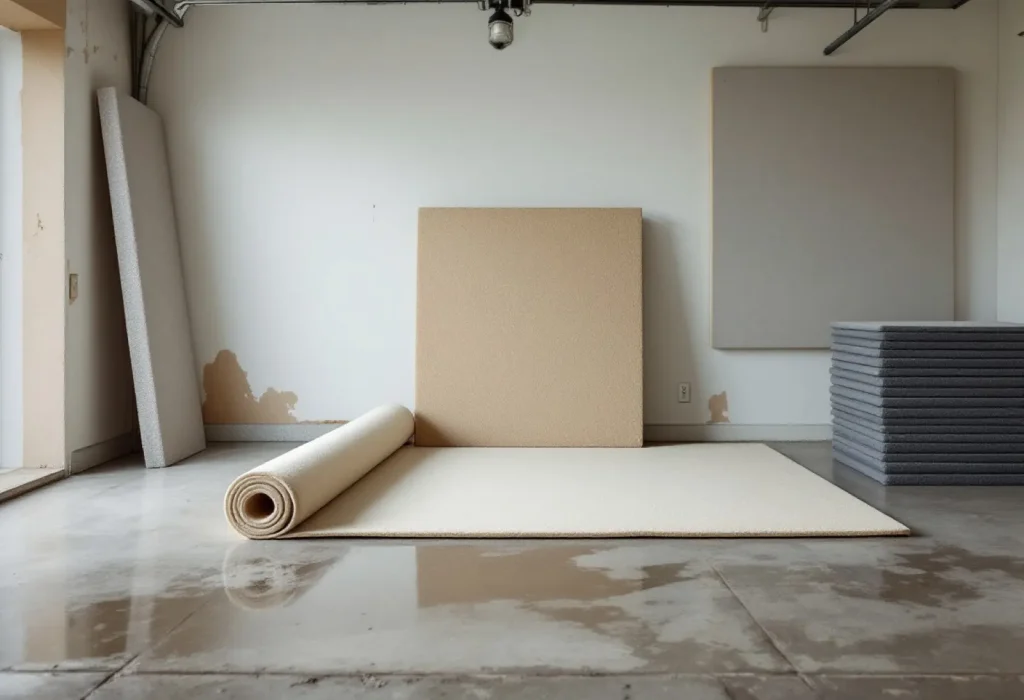
What to throw away after a flood: anything porous that floodwater soaked and that cannot be cleaned and dried within 24 to 48 hours, per CDC. That covers mattresses, pillows, upholstered furniture, carpet pad, stuffed toys, cosmetics, unsealed food, home canned food, wooden cutting boards, pacifiers, medicines, and drywall and insulation the water touched. Photograph everything and keep material samples for the adjuster first.
Keep, clean or discard: which of 22 household items survive floodwater?
The table below sets 22 items against the agency rule that decides them. 15 rows start at discard. The anchor list is CDC’s: throw away anything you cannot clean or dry quickly, naming mattresses, carpeting, carpet padding, rugs, upholstered furniture, cosmetics, stuffed animals, baby toys, pillows, foam rubber items, books, wall coverings and paper products, per the CDC cleanup guidelines. Food and medicine rows come only from the CDC food safety after a disaster page, the FDA flood food guidance and the FDA safe drug use after a disaster page.
| Item | Verdict after floodwater | What changes the verdict | Source |
|---|---|---|---|
| Food in packages that are not waterproof (screw caps, snap lids, crimped caps, twist caps, flip tops, cardboard juice, milk or formula boxes) | Discard | Nothing changes it | CDC food page; FDA |
| Home canned food | Discard | Nothing: FDA says it cannot be effectively cleaned and sanitized | CDC food page; FDA |
| Undamaged commercial all metal cans and retort pouches | Clean, sanitize, keep | Bulging, open, leaking, punctured or spurting cans: discard | FDA; CDC food page |
| Refrigerated perishables (meat, fish, eggs, milk, leftovers) | Discard after 4 hours without power or a cold source | Frozen food with ice crystals or at 40°F or below may be refrozen | CDC food page |
| Wooden cutting boards, baby bottle nipples, pacifiers | Discard | Nothing: CDC says sanitizing does not work on them | CDC food page |
| Wooden utensils and dishes; plastic utensils, plates and cups | Discard | Listed by Illinois Extension, not by CDC or FDA | Illinois Extension |
| Metal pans, ceramic dishes, metal utensils, can openers | Wash and sanitize | None | FDA; CDC food page |
| Medicines, even in original screw top or snap lid containers | Discard | A life sustaining drug such as insulin with no replacement and an unchanged look may be used until a new supply arrives | FDA |
| Cosmetics | Discard | None listed | CDC |
| Mattresses and pillows | Discard | None listed | CDC; Iowa HHS |
| Upholstered furniture | Discard | Brief contact: strip all fabric, padding and stuffing, keep the frame | CDC; Iowa HHS; ND DES |
| Carpet pad | Discard | None listed | CDC; Iowa HHS |
| Carpet and rugs | Discard (CDC) | Iowa HHS and ND DES allow saving some carpet after cleaner water or professional cleaning | CDC; Iowa HHS; ND DES |
| Drywall and insulation touched by floodwater | Discard | Clean water only: EPA lets wallboard dry in place with no swelling and intact seams; insulation is still replaced | CDC; EPA Table 1 |
| Stuffed animals and baby toys | Discard | Hard toys: wash in 1 cup bleach per 5 gallons, air dry | CDC |
| Solid wood furniture | Clean, dry slowly, keep | Underwater several days to a week: usually lost | NC State Extension |
| Veneer, particleboard and MDF furniture | Usually discard | A swollen particleboard core is permanent damage | NC State Extension |
| Washable clothing and bedding | Hot wash, bleach rinse, keep | Many dry clean only items are already ruined | Iowa HHS |
| Books and papers | Discard if not valuable | Valuable: photocopy, or freeze if not air dried within 2 days | EPA Table 1; NARA |
| Photographs, negatives, slides | Air dry face up | Never freeze old photos or negatives | NARA |
| Wall coverings, foam rubber items, paper products | Discard | None listed | CDC |
| Submerged appliances and electronics | Sources split | ND DES: generally not salvageable; Iowa HHS: many can be saved after a technician check | ND DES; Iowa HHS |
Two rows carry real disagreement. CDC lists carpeting and rugs as discards, while Iowa HHS says carpet soaked by cleaner groundwater may be saved and the North Dakota Department of Emergency Services says carpet can sometimes be saved by professional cleaning. On appliances, the North Dakota sheet calls submerged units generally unsalvageable and Iowa HHS says many can be saved after drying and a service technician’s check. Neither source sets a cutoff in hours.
How many hours do you have before each item becomes a discard?
The deadlines run from 4 hours for refrigerated food to 60 days for the flood claim paperwork. CDC sets the household target at cleaned and dried within 24 to 48 hours if possible, and the EPA flood cleanup sheet repeats it. Freezers last 48 hours full and 24 hours half full if the door stays shut, per the CDC food page.
The National Archives flood salvage guide adds the one deadline that saves rather than discards: wet books, documents or photographs that cannot be air dried within two days should be frozen to stop mold, and thawed and treated later. Papers have more time than upholstery if they reach a freezer on day 2.
What does an NFIP flood claim need from you before the dumpster arrives?
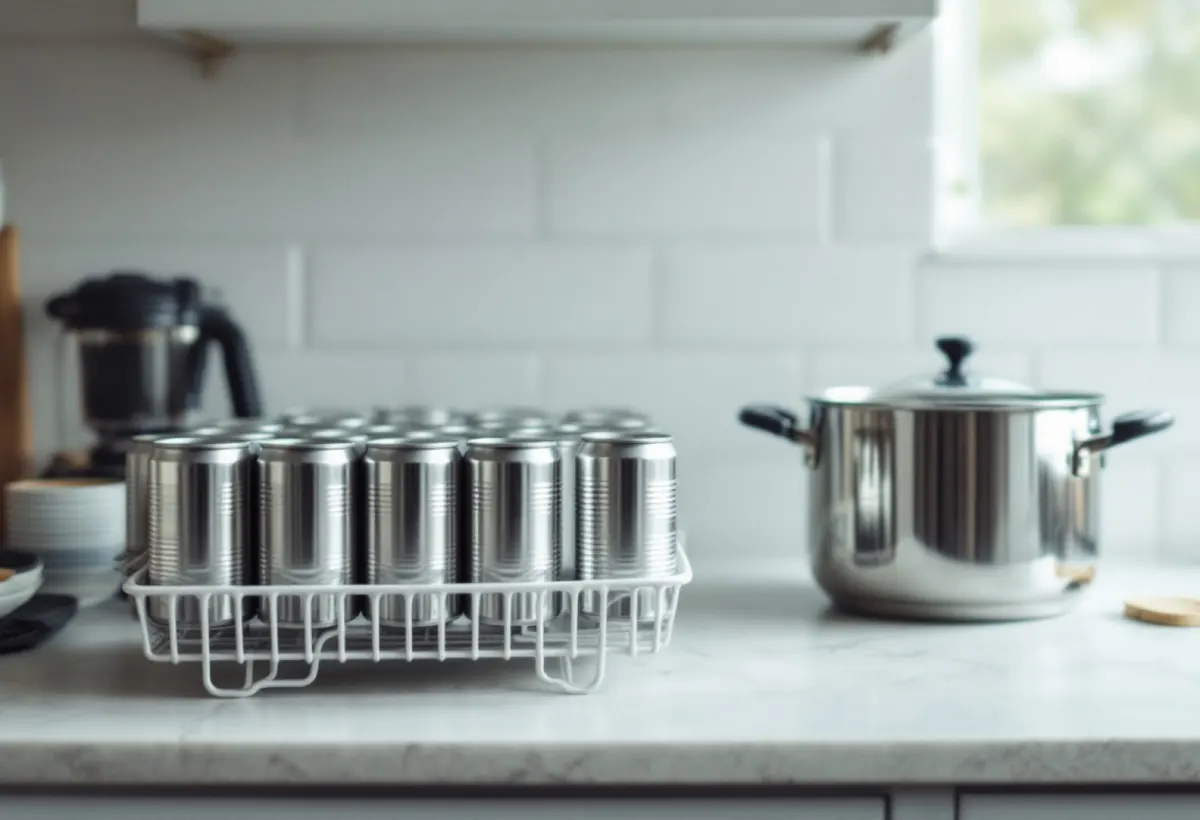
The FEMA NFIP Claims Handbook (August 2024) says not to discard anything before the adjuster sees it unless the item is a health hazard or local law requires disposal. If you must discard, it asks for photographs showing that repair is not possible, and samples for the adjuster, giving a piece of wall to wall carpet and wood flooring as examples.
The Standard Flood Insurance Policy dwelling form at 44 CFR Part 61, Appendix A(1), Section VII.G lists what the policyholder must do after a loss. The checklist below pairs that policy text with FEMA’s own documentation advice.
- Give prompt written notice of the loss to the insurer (SFIP VII.G.1).
- Separate damaged from undamaged property and put it in order for examination (SFIP VII.G.2).
- Inventory damaged property with quantity, description, actual cash value and amount of loss, attaching bills and receipts (SFIP VII.G.3).
- Photograph and video before cleaning, fixing or discarding, with wide shots and close ups, per the FloodSmart documentation page.
- Photograph water lines inside and out and the insides of closets and cabinets, per the FEMA damage documentation release of 16 April 2025.
- Record serial numbers of washers, dryers, refrigerators and electronics (FEMA, FloodSmart).
- Keep samples of carpet, wallpaper, upholstery and window treatments (FEMA), and of drywall and insulation (FloodSmart).
- Photograph water damaged food, canned goods included, then throw it away (NFIP Claims Handbook, page 12).
- Send a signed, sworn proof of loss within 60 days after the loss, even if the adjuster has not supplied the form (SFIP VII.G.4 and G.7).
FloodSmart says items that are a health risk, such as spoiled food or moldy clothing, cushions and pillows, go out right after the photographs. What the policy then pays is set by the policy and the adjuster, not by FEMA’s checklist: ask the adjuster in writing which samples to keep and for how long, and whether debris removal is part of the claim. The proof of loss form itself is covered on our proof of loss page.
Why does a soaked sofa go to the curb while an oak table stays?
The line is absorbency plus contamination. Floodwater is not clean water: North Dakota Department of Emergency Services treats it as carrying biological and chemical contaminants, and sets soft absorbent materials at dried within 48 hours, stretching to 72 hours in cool weather. The same sheet says mattresses are unlikely to be adequately dried, and upholstery unlikely to be cleaned and dried soon enough.
Solid wood is different. NC State Extension (Sarah Kirby, 2014) says solid wood furniture can usually be restored unless the piece was in the water for several days to a week, and that mildew keeps growing while wood moisture stays above 20 percent. Dry it slowly in shade: the same publication warns that sun drying warps and twists it, and that full drying may take weeks or months. Veneered pieces usually sit on plywood, particleboard or MDF cores, and a core that swelled is permanent damage.
The agencies disagree here. The Iowa HHS sheet (revised 26 June 2024) tells readers to protect exposed wood by drying it in direct sunlight, the opposite of the NC State Extension instruction on sun drying. Follow the extension service on wood.
The water’s source changes the verdict too. EPA Table 1 says its drying rules are written for clean water and warns not to use fans before determining that the water is clean or sanitary. How restorers grade water by contamination is set out on our IICRC water categories page.
Do drywall and insulation have to come out after floodwater?
Yes, when floodwater touched them. The CDC cleanup guidelines say to remove and discard drywall and insulation that has been contaminated with sewage or floodwater. The softer advice that circulates comes from EPA Table 1, water damage cleanup, which lets wallboard dry in place if there is no obvious swelling and the seams are intact. That table says it covers damage caused by clean water, and that contaminated water calls for protective equipment and containment under OSHA rules.
Insulation has no exception in either source: EPA Table 1 says to discard and replace both fiberglass and cellulose insulation even after a clean water loss. Ceiling tiles get the same EPA verdict. Carpet backing, by contrast, gets 24 to 48 hours of extraction, dehumidification and fans under EPA’s clean water rules, with the subfloor dried as well.
How high to cut, and why contractors cut above the water line, is the subject of our flood cut explainer. Drywall that took a smaller, clean water hit is covered on the wet drywall page.
Which canned goods and kitchen tools can you save after floodwater?
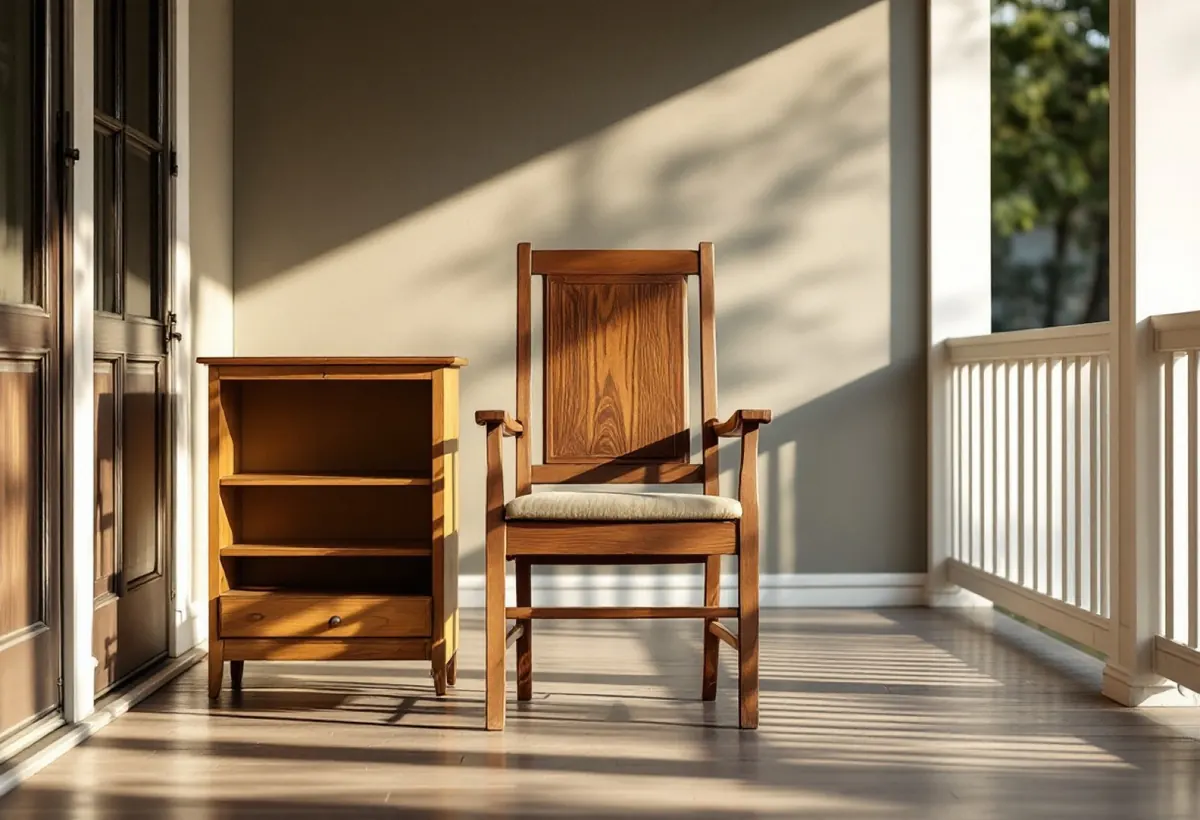
Only food sealed in all metal cans or retort pouches, and only if the package is undamaged. The FDA flood food guidance lists swelling, leakage, punctures, holes and fractures as damage. The three food sources name closures slightly differently, so the table puts them side by side.
| Container | CDC (Nov 2025) | FDA (Mar 2024) | Illinois Extension |
|---|---|---|---|
| Screw caps | Discard | Discard | Discard |
| Snap lids | Discard | Discard | Discard |
| Crimped caps | Discard | Discard | Discard |
| Pull tops | Not named | Discard | Discard |
| Twist caps, flip tops, snap tops | Discard | Not named | Not named |
| Cardboard juice, milk, formula boxes | Discard | Discard | Discard |
| All metal cans, retort pouches, undamaged | Sanitize, keep | Sanitize, keep | Sanitize, keep |
To save a can or pouch, FDA and CDC give the same steps: remove labels, brush off silt, wash in hot soapy water, rinse in safe water, then either boil for 2 minutes or soak for 15 minutes in 1 cup of unscented household bleach in 5 gallons of water. FDA adds 1 hour of air drying before opening or storing. Re-label each can with the contents and expiration date, per the CDC food safety after a disaster page.
Kitchen tools split by material. CDC says to throw out wooden cutting boards, baby bottle nipples and pacifiers that touched floodwater because sanitizing does not remove the contamination. University of Illinois Extension extends the list to wooden utensils and dishes and to plastic utensils, plates and cups. Metal pans, ceramic dishes and metal utensils get washed and sanitized.
Why do published bleach mixes differ 16 fold between agencies?
Because each recipe does a different job. CDC’s 1 cup per gallon mix is for scrubbing mold off hard surfaces; the 1 cup per 5 gallons mix (3.2 tablespoons per gallon) is for toys, dishes and food cans; the weakest, FDA’s 1 tablespoon per gallon of 5.25 percent bleach, is a 15 minute soak for pans and dishes, per the FDA flood food guidance.
Use the mix the source gives for that item, not the strongest one. The CDC cleanup guidelines add three conditions: never mix bleach with ammonia or any other cleaner, never use bleach in a closed space, and wear goggles, an N-95 respirator and gloves. University of Illinois Extension says its 2 tablespoon surface spray needs at least 1 minute of contact time.
Do flooded medicines, insulin and cosmetics have to go?
Yes, with one narrow exception. The FDA safe drug use after a disaster page (content current as of 1 September 2026) says medicines exposed to floodwater can become unsafe and should be discarded even in original containers with screw top caps, snap lids or droppers. Where a drug is needed for a life threatening condition and no replacement is readily available, FDA says it may be used if it appears unchanged, and insulin may be used until a new supply arrives.
FDA’s line for questions is 1-888-INFO-FDA (1-888-463-6332); the page also says to ask a pharmacist about storage. Ask the pharmacist two things: whether an emergency supply can be dispensed while the prescriber is unreachable, and how to store a temperature sensitive replacement if power is still out. Cosmetics are on CDC’s discard list with no exception.
Can photos, papers and books be saved after 2 days wet?
Often, if they reach a freezer in time. EPA Table 1, water damage cleanup says to discard non valuable books and papers, photocopy valuable ones, or freeze or freeze dry them. The National Archives guide, written after the 1993 Midwest floods, sets the two day air drying limit and says freezing does not kill mold but puts it in a dormant state until treatment.
Photographs follow their own rules in the same NARA guide. Never freeze old photographs or negatives; most prints, negatives and slides air dry individually face up. Rinsing silt off in a bath of clear water is allowed, but never for images that are already blurred, feathered or faded. Items of high monetary, historic or sentimental value should be treated only in consultation with a conservator, NARA says. Book salvage in detail is on our water damaged books page.
For contractors: which discards need a photo log before tear out?
All of them, on an NFIP job. The FEMA NFIP Claims Handbook asks for photographs that show repair is not possible and for retained samples, so a crew that bags carpet and cuts drywall before the adjuster visits should log each room with water line photos, a labelled offcut of each flooring and wall material, and serial plates of removed appliances. The job workflow is laid out on our flood damage restoration page, and below grade jobs on the basement flood cleanup page. More flood work sits under the water damage hub.
Questions people actually ask
How do you sanitize a house after a flood?
Clean hard surfaces first with hot water and laundry or dish detergent, as CDC directs for floors, concrete, molding, wood and metal furniture, countertops and fixtures. For mold, CDC’s mix is 1 cup of household bleach per gallon of water, used with windows open, goggles, an N-95 respirator and gloves. Never mix bleach with ammonia or any other cleaner.
What should you not do after a flood?
Do not discard belongings before photographing them, per FEMA. Do not plug in a wet appliance: the North Dakota emergency agency warns it can deliver a fatal shock. Do not run fans where mold is already visible, per EPA. Do not run a generator indoors; EPA says at least 20 feet from buildings. Do not mix bleach with other cleaners.
What is the first thing to do after a flood?
Return only when local authorities allow it, and turn off power at the main breaker if circuits got wet, per CDC. Then photograph water lines and damage before moving anything, and give your insurer prompt written notice: the NFIP policy at 44 CFR Part 61 makes written notice the first duty after a loss, ahead of the 60 day proof of loss.
Can clothes be saved after a flood?
Most washable clothing can. Iowa HHS says to wash on the hottest setting possible, then rinse in a bleach and water solution, using color safe oxygen bleach where chlorine would damage the fabric. It treats many dry clean only items as already ruined. CDC says clothes worn during cleanup should be washed in hot water, separately from other laundry.
Can a refrigerator that sat in floodwater be kept?
Sources split. Iowa HHS says many flooded appliances can be saved once fully dried, with wet insulation replaced and a service technician’s check, and warns refrigerators must not go to a landfill because of the refrigerant. North Dakota’s emergency agency says submerged appliances generally cannot be salvaged. Record the serial number first, as FloodSmart asks.
Is bottled water safe after floodwater covered it?
Treat it as unsafe. University of Illinois Extension says lids and seals on most individual bottles and gallon jugs are not waterproof, and CDC and FDA both list screw caps among closures to discard. Disinfect tap water instead: Illinois gives 1/8 teaspoon of unscented bleach per gallon, standing 30 minutes, or boiling for 1 minute.
Sources
- CDC cleanup guidelines: Centers for Disease Control and Prevention, Guidelines for Cleaning Safely After a Disaster, last updated 26 August 2026. Retrieved 11 November 2026.
- CDC food safety after a disaster page: Centers for Disease Control and Prevention, Keep Food Safe After a Disaster or Emergency, 24 November 2025. Retrieved 11 November 2026.
- FDA flood food guidance: U.S. Food and Drug Administration, Food and Water Safety During Power Outages and Floods, updated 5 March 2024. Retrieved 11 November 2026.
- FDA safe drug use after a disaster page: U.S. Food and Drug Administration, Safe Drug Use After a Natural Disaster, content current as of 1 September 2026. Retrieved 11 November 2026.
- EPA Table 1, water damage cleanup: U.S. Environmental Protection Agency, Mold Remediation in Schools and Commercial Buildings Guide, Chapter 4, Table 1, last updated 8 September 2026. Retrieved 11 November 2026.
- EPA flood cleanup sheet: U.S. Environmental Protection Agency, Flood Cleanup: Tips for a Healthy Home (September 2022). Retrieved 11 November 2026.
- FEMA NFIP Claims Handbook: Federal Emergency Management Agency, National Flood Insurance Program Claims Handbook, August 2024 (F-687). Retrieved 11 November 2026.
- FloodSmart documentation page: FEMA National Flood Insurance Program, Document Flood Damage. Retrieved 11 November 2026.
- FEMA damage documentation release: Federal Emergency Management Agency, How to Document Damages After Severe Weather Events, 16 April 2025. Retrieved 11 November 2026.
- 44 CFR Part 61, Appendix A(1), Section VII.G: Standard Flood Insurance Policy, Dwelling Form, Requirements in Case of Loss, via eCFR. Retrieved 11 November 2026.
- National Archives flood salvage guide: National Archives and Records Administration, Emergency Salvage of Flood Damaged Family Papers, August 1993. Retrieved 11 November 2026.
- NC State Extension: Sarah Kirby, Flood-Damaged Furniture, NC State Extension, 6 June 2014. Retrieved 11 November 2026.
- Iowa HHS: Iowa Department of Health and Human Services, After the Flood: What to Do About Personal Items, revised 26 June 2024. Retrieved 11 November 2026.
- North Dakota Department of Emergency Services: North Dakota Department of Emergency Services, Salvaging After Flooding (content credited to NDSU Extension Service). Retrieved 11 November 2026.
- University of Illinois Extension: University of Illinois Extension, Food Safety After Floods (undated). Retrieved 11 November 2026.
- Item counts and the tablespoons per gallon chart are arithmetic on the published recipes above (1 cup = 16 tablespoons), computed when this page was built. Our methodology sets out the standing rules.
This page describes agency guidance and federal policy text. It does not say what any policy pays. For a claim, read your policy, ask your adjuster which samples and photographs to keep, and contact your state insurance department or a licensed professional with questions about coverage.